Chicago’s hip hop scene is as vibrant as the city itself, pulsating with energy and creativity. From the gritty streets to the airwaves, hip hop radio stations in the Windy City are the heartbeat of a culture that’s constantly evolving. Whether you’re a die-hard fan or just curious about what’s bumping in the Chi, these stations offer a unique blend of local talent and mainstream hits that keeps listeners coming back for more.
Tuning in means diving headfirst into a world where beats reign supreme and lyrical prowess knows no bounds. With a mix of established names and emerging artists, Chicago’s hip hop radio is a treasure trove of sounds that’ll make you laugh, cry, and maybe even dance like nobody’s watching. So grab your headphones and get ready to explore the rhythm of a city that’s not just a backdrop but a key player in the hip hop game.
Overview of Chicago Hip Hop Radio Stations
Chicago’s hip hop radio stations play a pivotal role in promoting the city’s diverse music scene. They broadcast a rich variety of local talent, highlighting both established and emerging artists. These stations curate playlists that blend local sounds with mainstream hits, catering to a broad audience.
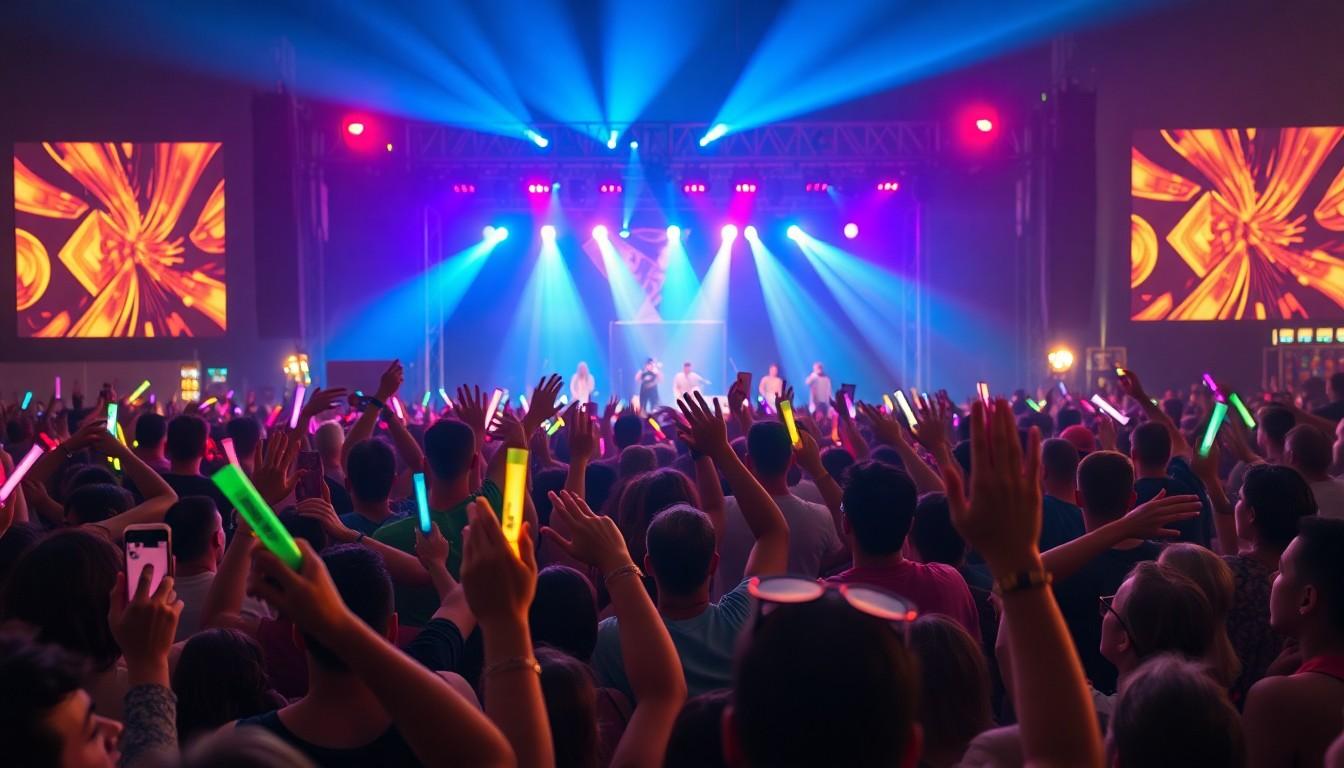
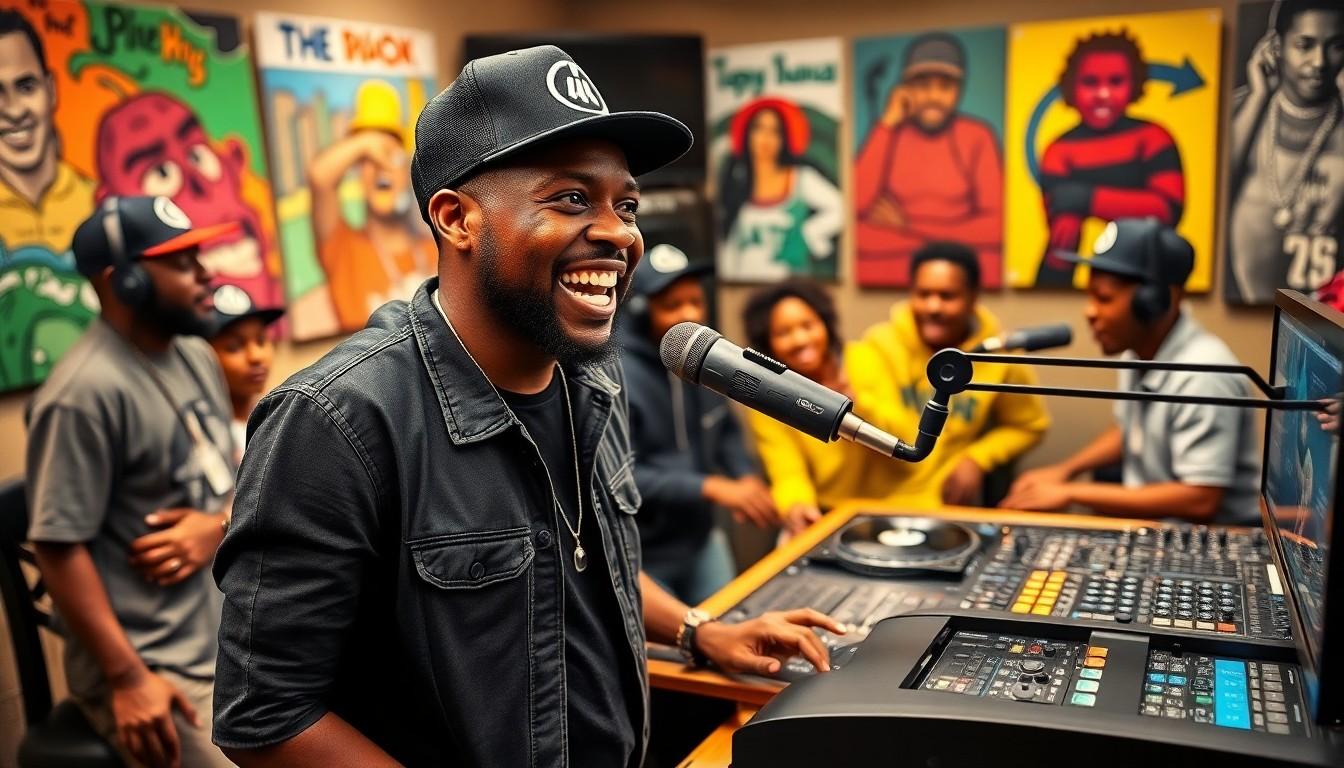
Key stations like WGCI 107.5 FM and Power 92.3 FM dominate the airwaves, showcasing popular tracks and offering platforms for new voices. These stations engage listeners through on-air discussions, interviews with artists, and live DJ sets, creating an interactive music experience.
Streaming services also contribute significantly, with stations like Chicago’s WLUW providing online access to hip hop enthusiasts beyond the city’s borders. Many of these channels include community programming that connects with listeners’ experiences, further enriching the cultural landscape.
Listeners enjoy a range of genres within hip hop, from trap to conscious rap, ensuring something resonates with everyone. Local shows often shine a spotlight on neighborhood talent, allowing artists to reach audiences that larger platforms might overlook.
Each station’s unique identity reflects the sounds of Chicago, from its historical roots to contemporary trends. These channels consistently adapt, responding to the city’s evolving music scene while remaining committed to their mission of promoting hip hop culture.
Historical Context
Chicago’s hip hop radio stations have a rich history that intertwines with the city’s cultural evolution. Understanding this background provides insight into the significance of these stations today.
The Rise of Hip Hop in Chicago
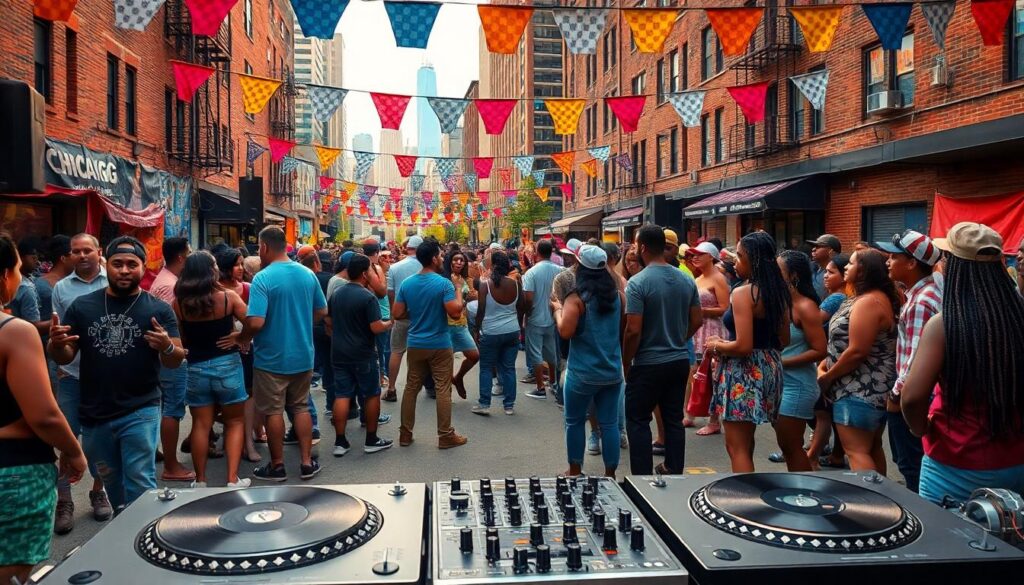
Originating in the late 1970s, hip hop in Chicago established itself through community block parties and local talent showcases. Artists like Common and Kanye West emerged, bringing attention to the city. The genre developed distinctive styles, including ghetto house and drill, reflecting the city’s diversity. Local venues played crucial roles, providing platforms for artists to connect with audiences. Over time, hip hop became a voice for neighborhoods, addressing social issues and celebrating local culture.
Key Milestones in Radio Broadcasting
Milestones in Chicago’s radio broadcasting signify the evolution of hip hop culture. WGCI 107.5 FM became a leading station in the 1990s, spotlighting local artists and featuring popular hip hop tracks. Power 92.3 FM followed suit, promoting emerging talents through listener engagement. The launch of internet radio stations expanded reach and accessibility, bringing Chicago’s sound to a global audience. By incorporating community programming, these stations fostered connections with listeners, amplifying hip hop’s impact on society. These achievements laid a foundation for the vibrant hip hop scene present today.
Popular Chicago Hip Hop Radio Stations
Chicago’s hip hop radio stations play a vital role in shaping the local music scene. These platforms spotlight both established and up-and-coming artists, fostering a rich cultural landscape.
Station Profiles
WGCI 107.5 FM stands out as a historic powerhouse, featuring an array of hip hop favorites and R&B hits. Power 92.3 FM is known for its lively DJ sets and engaging community interactions. WLUW provides a unique mix of underground sounds, amplifying local talent through its eclectic playlists. Additionally, 104.3 FM Jams offers a nostalgic blend of classic hip hop, catering to longtime fans of the genre. Each station connects listeners with the energetic pulse of Chicago’s music culture, reflecting the city’s diversity.
Notable Shows and Personalities
DJ Moondawg is a prominent figure on WGCI, known for his dynamic mixes and artist interviews. The “Morning Crew” on Power 92.3 FM captures early risers with entertaining discussions and fresh music releases. On WLUW, “The Hip Hop Show” features local talents, creating a platform for emerging artists to showcase their work. Noteworthy personalities also include DJ Reese, who delivers an insightful mix of commentary and music. These shows provide entertainment while fostering a strong connection to Chicago’s hip hop community.
Impact on Local Culture
Chicago hip hop radio stations deeply influence the city’s cultural landscape. These platforms cultivate community connections and significantly shape artistic expression.
Community Engagement
Community engagement thrives through local radio stations. Programs often showcase neighborhood events and highlight local artists. Stations like WGCI 107.5 FM connect listeners with grassroots initiatives, fostering a sense of belonging. Listeners become active participants in these events, creating a shared space for creativity. Engagement extends online, allowing feedback and interaction through social media. Many stations encourage discussions on social issues, amplifying community voices and concerns. By prioritizing local content, they build a loyal audience base, enriching the cultural fabric of Chicago.
Influence on Artists and Music
Influence on artists and music stems from the platforms that promote diverse talent. Hip hop radio stations play a crucial role in shaping the careers of emerging artists. One significant example includes Power 92.3 FM, which regularly features local talent, helping them gain recognition. Established artists, like Kanye West, reminisce about their beginnings in the city’s radio scene. Unique sounds and styles emerge when local artists receive airplay, contributing to the evolution of genres. Exposure on these platforms opens doors for collaborations and performances, connecting artists with audiences. These stations serve as essential launchpads, driving the ongoing innovation in Chicago’s hip hop music.
Challenges Facing Chicago Hip Hop Radio
Chicago’s hip hop radio stations face several significant challenges today, particularly amid emerging digital trends.
Competition from Streaming Services
Streaming services dominate music consumption, posing a challenge to traditional radio. Platforms like Spotify and Apple Music offer personalized playlists that cater to listeners’ preferences, drawing audiences away from radio. Listeners gravitate toward on-demand content rather than scheduled programming. Hip hop stations, such as WGCI and Power 92.3, struggle to retain their listener base in this competitive landscape. Many local artists often opt for exclusive partnerships with these platforms, further complicating the radio station’s visibility. Adapting to this shift entails exploring innovative ways to engage audiences, such as interactive events or exclusive online content.
Regulatory Issues
Regulatory issues impact Chicago hip hop radio stations in various ways. Licensing fees can strain budgets, particularly for smaller outlets. Compliance with Federal Communications Commission regulations poses additional challenges, especially for stations running community-driven programming. These regulations often create barriers to entry for new stations aiming to reach diverse audiences. Limited bandwidth creates further complexity, as popular frequencies fill up quickly. Navigating these challenges demands flexibility and creativity in programming to maintain relevance in the dynamic media landscape.
Chicago’s hip hop radio stations are vital to the city’s cultural fabric. They not only showcase local talent but also foster community connections through engaging programming. As the landscape continues to evolve with digital trends and streaming services, these stations must adapt while preserving their unique identities.
Listeners can expect a rich variety of sounds that reflect the city’s diversity and creativity. The ongoing support for emerging artists ensures that Chicago’s hip hop scene remains vibrant and influential. By tuning in to these stations, audiences can experience the heart and soul of Chicago’s music culture, celebrating its past while looking forward to its future.